
Electric vehicles promise cleaner air and sleeker rides, yet many seniors find that promise wrapped in a maze of buttons, screens, and jargon. In retirement communities across the country, older drivers swap stories about software updates gone wrong, mysterious warnings on glossy dashboards, and parking-lot stalls where charging stations refuse to cooperate.
Technology that dazzles younger motorists can feel overwhelming to drivers who already juggle age-related vision changes, slower reaction times, and a lifetime of muscle memory tied to simpler cars. Understanding where the stress sneaks in is the first step toward making electric motoring feel friendly rather than forbidding.
Dashboard Dilemmas
Modern EV dashboards resemble flight-control panels, bristling with customizable widgets, layered menus, and motion-sensitive icons. Seniors who once relied on a quick glance at a speedometer now face multicolor animations that pulse, spin, and expand. Each tap may reveal yet another sub-menu—range projections, regenerative-braking graphs, over-the-air update prompts—that must be interpreted while traffic surges ahead.
Because older eyes often struggle with glare and tiny fonts, deciphering these readouts increases cognitive load at precisely the moment when any distraction can lengthen stopping distance. The result is simmering tension: seniors grip wheels harder, scan screens too long, and exit trips feeling disoriented instead of delighted.
Touchscreen Tangles
When carmakers replaced knobs with capacitive glass, they erased decades of tactile familiarity. A rotary dial can be located by feel, but a glossy rectangle demands visual confirmation and steady fingertip pressure. Seniors coping with arthritis or hand tremors may find that simple tasks—adjusting cabin temperature, changing radio stations, activating defrosters—require several attempts or accidental presses.
Voice recognition should, in theory, solve this, yet many speech interfaces stumble over accents, background noise, or the small hesitations common in older speech patterns. Each misheard command starts a loop of repetition and correction that stretches patience thin and nudges stress levels higher.
Silent Acceleration Anxiety
Electric motors whisk cars forward in near silence, a quality praised by enthusiasts but unsettling to some seniors. With engine rumble removed, auditory cues that once signaled speed or mechanical strain vanish. This silence can mask how quickly an EV reaches highway velocity, surprising drivers accustomed to gradual fuel-powered climbs.
Meanwhile, regenerative braking creates a non-linear deceleration that feels unpredictable when drivers lift off the accelerator. Unsure whether the car is coasting, slowing automatically, or demanding pedal input, seniors may over-brake or trail-brake unnecessarily, sowing doubt about their own skills. That creeping uncertainty chips away at driving confidence and magnifies every subsequent tech hiccup.
Charging Confusion
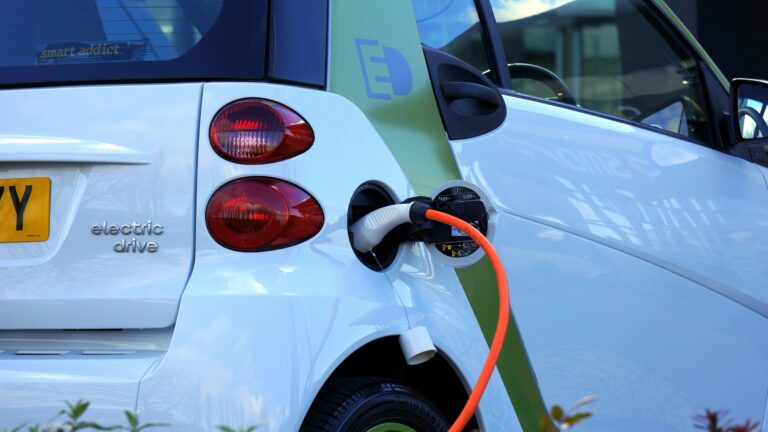
Refueling once meant the same pump, the same nozzle, and a predictable credit-card swipe. Now seniors confront apps that assign charger IDs, membership tiers, and kilowatt-hour rates. Payment screens sometimes fail to load; station cables may feel heavy or awkward to latch; error codes flash with cryptic instructions. Even at home, wall-mounted units offer scheduling options, Wi-Fi connections, and firmware patches that rival a new laptop setup.
Add weather concerns—cold batteries charge slower, heat triggers power throttling—and the “quick stop” transforms into a calculation worthy of algebra class. It is here, while waiting for an electric car battery to reach 80 percent, that many seniors wonder whether progress has passed them by.
Conclusion
Seniors embrace innovation when technology respects lived experience and physical realities. Simplified interfaces, larger fonts, haptic controls, and transparent charging networks can replace hidden stress with genuine enjoyment.
As automakers chase efficiency and software updates, they must also preserve the clarity and predictability that help older drivers feel safe on the road. Empowered seniors will then see EVs not as inscrutable gadgets but as reliable companions for the journeys that still lie ahead.

- Roots & Revenue: Starting a Hair Salon From the Ground Up - February 2, 2026
- Britt Lower’s Husband Kenna Kennor Spills Secrets for Rocking New Hair Color Like a Celebrity - January 29, 2026
- The Hidden Stress of EV Tech for Older Drivers - January 5, 2026