
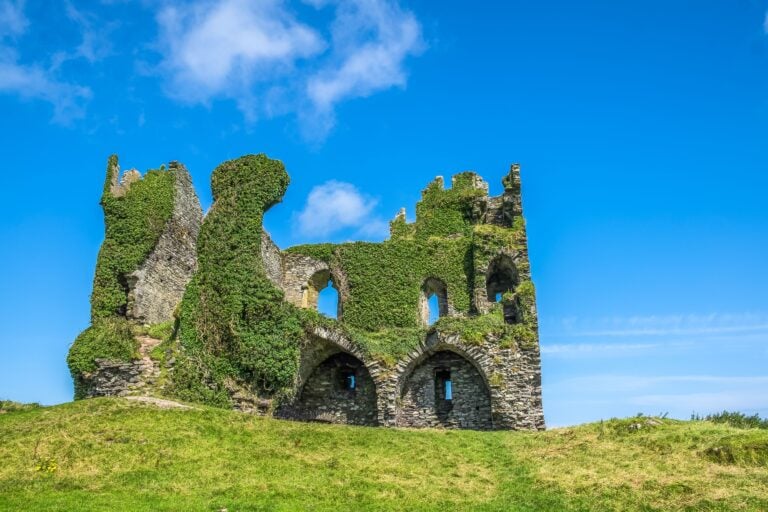
Ireland has no shortage of breathtaking scenery, but few landmarks capture the imagination quite like its castles. Rising above green valleys, perched on rugged coastlines, or hidden within ancient forests, these stone fortresses tell the story of a country shaped by kingdoms, clans, invasions, and resilience.
For many visitors, seeing an Irish castle is more than ticking a famous landmark off a travel list. It is a chance to step into centuries of history while experiencing some of the island’s most beautiful landscapes.
Why Ireland Has So Many Castles
Ireland is home to castles in nearly every corner of the country, from large Norman fortresses to smaller tower houses built for local families and landowners. Their purpose changed over time. Some were built for defense, while others later became grand homes, estate centers, or symbols of power.
For travelers, that variety is part of the appeal. You can visit a restored landmark with guided tours one day, then find a quiet ruin beside a country road the next.
Every Castle Has a Different Story
Some Irish castles are famous for battles and sieges. Others are linked to noble families, political change, local legends, or dramatic landscapes. Sites such as Dublin Castle show how these buildings were not only defensive structures but also centers of government, administration, and public life.
That is what makes castle-hopping in Ireland feel so rewarding. You are not just looking at stone walls. You are seeing places where real decisions were made, families lived, and communities formed around the buildings.
Planning a Castle-Focused Ireland Trip
A castle-focused trip works best when it is built around regions instead of trying to cover the whole island at once. Ireland looks small on a map, but slow roads, scenic detours, and irresistible villages have a way of stretching travel time.
If you want inspiration beyond the obvious landmarks, this collection of Ireland castle guides and local insights is a helpful place to start. It can help you find well-known sites, lesser-known ruins, and places that fit naturally into a wider itinerary.
For a broader official overview of visitor attractions, Heritage Ireland’s castle listings are also useful when checking publicly managed historic sites, opening details, and places to visit across the country.
What Makes Irish Castles So Memorable
Irish castles are often as much about setting as architecture. Some overlook rivers, lakes, or coastlines. Others sit beside old towns, gardens, abbeys, or walking trails.
This makes them easy to include in a relaxed trip. You do not need to be a medieval history expert to enjoy them. A castle visit can be part scenic stop, part history lesson, and part excuse to explore somewhere you may not have found otherwise.
Do Not Skip the Smaller Castles
The famous castles get most of the attention, and many deserve it. Still, smaller sites can be just as memorable, especially if you prefer fewer crowds.
Old tower houses, partial ruins, and regional strongholds often reveal a more local side of Irish history. These places may not always have big visitor centers, but they can feel more personal and atmospheric.
Tourism resources such as Tourism Ireland’s guide to unmissable castles can help balance famous names with places that offer different scenery, stories, and travel experiences.
Respecting Historic Sites
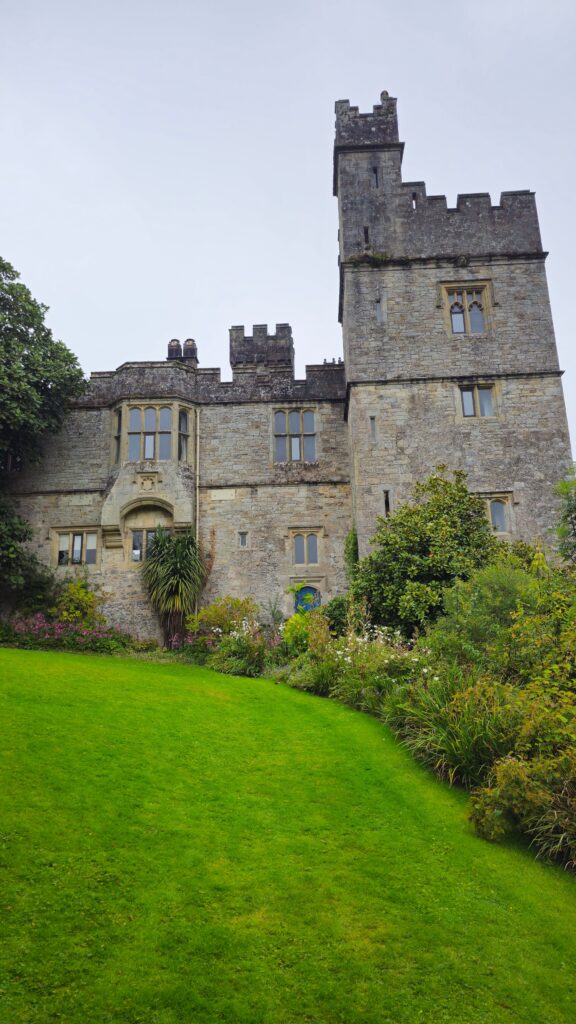
Many castles are protected heritage sites, while others are privately owned or managed by local organizations. That means visitors should treat them with care.
Stay on marked paths, avoid climbing unstable walls, and follow any posted access rules. Ruins may look romantic, but loose stone and uneven ground are not there for your main-character moment.
It is also smart to check opening times before visiting. Some castles are seasonal, some require tickets, and others may close for conservation work or private events.
Castles and Local Communities
Many Irish towns and villages grew around castles, and those landmarks still shape local identity today. Markets, festivals, walking tours, museum exhibits, and heritage events often connect back to a castle or estate.
That local context can make a visit far more interesting. A quick stop becomes more meaningful when you understand who lived there, why the castle mattered, and how it shaped the surrounding area.
Simple Tips for Visiting Irish Castles
- Wear comfortable shoes because paths, stairs, and courtyards can be uneven.
- Bring a rain jacket, even when the forecast looks harmless.
- Check official opening times before building your day around one site.
- Visit early or later in the day if you want quieter photos.
- Leave time for nearby villages, gardens, cafés, or walking routes.
More Than Stone Walls
Ireland’s castles remain popular because they combine history, scenery, architecture, and storytelling in a way few attractions can. They appeal to photographers, road-trippers, families, history lovers, and casual travelers who simply enjoy beautiful places.
One day you might walk through a carefully restored fortress with exhibits and guided tours. The next, you might find a quiet ruin standing alone in the countryside, surrounded by birdsong, fields, and weather that changes every ten minutes.
That variety is exactly why Ireland’s castles continue to captivate visitors generation after generation. They are not just relics of the past. They are some of the most memorable places to understand the country’s history, landscapes, and local character.

- Grace as an Interval: The Word at the Centre of Three Days Grace - October 10, 2026
- The Merge Button Is the New Deadline - October 3, 2026
- Physical Escape Room Prep: Handling Puzzles and Active Challenges - September 28, 2026