
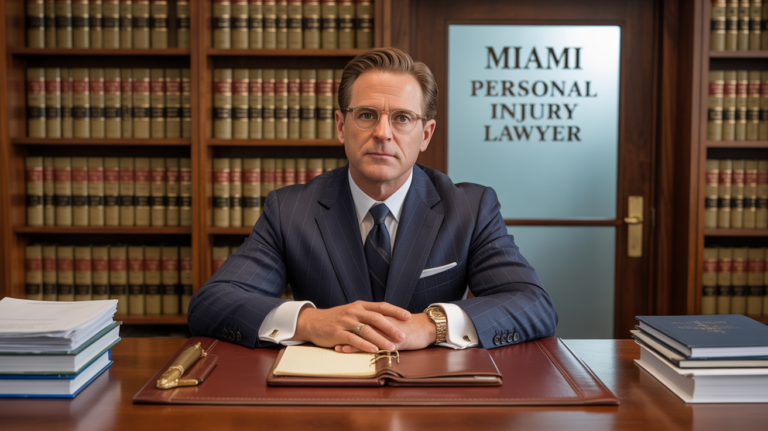
The Law Offices of Anidjar and Levine can use expert witnesses to strengthen a Miami personal injury case by explaining complex evidence, clarifying negligence, and connecting an accident to documented injuries.
Medical experts may address causation, treatment, prognosis, and future limitations, while life-care planners and financial professionals can project medical costs, lost income, and reduced earning capacity.
Accident reconstructionists may help explain how the incident occurred.
Qualified experts with reliable methods, reports, and deposition testimony can also help satisfy Daubert standards and support a fair claim evaluation.
A Miami Personal Injury Lawyer can determine when expert involvement may be especially valuable.
Main Takeaways
- Experts explain technical evidence, applicable safety standards, and whether the defendant’s conduct breached the required standard of care.
- Medical experts connect accident mechanics, symptom timelines, records, and imaging to documented injuries while addressing preexisting conditions.
- Life-care planners project medically necessary future treatment, equipment, rehabilitation, medications, home modifications, and attendant care.
- Economic and vocational experts calculate lost wages, benefits, reduced earning capacity, and future financial losses using documented evidence.
- Engineering and reconstruction experts interpret photographs, vehicle damage, measurements, and impact data to clarify how the incident occurred.
When Does a Case Need an Expert Witness?
A case may need an expert witness when the issues involve technical, medical, financial, or scientific knowledge beyond an ordinary person’s experience. In a Miami personal injury claim, counsel may consider an expert when injuries are intricate, treatment is disputed, future care requires projection, or damages depend on specialized economic analysis. The need often becomes clearer after reviewing medical records, accident evidence, employment information, and opposing parties’ positions.
Early evaluation supports trial readiness and helps ensure that the client’s circumstances receive careful, informed presentation. A thoughtful discovery strategy can identify unanswered questions and determine whether specialized testimony is necessary rather than merely helpful. Counsel may also address expert scheduling before deadlines become restrictive, particularly when physicians or other professionals have demanding practices. Clear cost estimates allow clients and their families to weigh potential benefits realistically. Selecting an appropriate expert reflects a commitment to accuracy, fairness, and meaningful advocacy for injured people seeking responsible resolution.
How Experts Explain Negligence and Causation
Expert witnesses establish the applicable standard of care and explain how a party’s conduct may have breached it. They connect that breach to the claimant’s injuries through medical, scientific, or technical evidence. By clarifying intricate facts, experts help the court understand both negligence and causation.
Establishing the Standard of Care
In a Miami personal injury case, expert testimony can clarify what a reasonably careful professional or party should have done under the circumstances and whether the conduct fell below that standard. By explaining accepted practices, an expert gives jurors a reliable framework for evaluating negligence with fairness and compassion. The analysis may address:
- Applicable professional guidelines
- Common safety precautions
- Industry customs and regulations
- Relevant circumstances and risks
- Differences between careful and careless conduct
Experts can distinguish reasonable judgment from preventable error without overstating the evidence. Their testimony also supports Comparing Liability Theories, helping counsel explain whether negligence, premises liability, or professional malpractice best fits the facts. A disciplined Jury Persuasion Strategy uses clear opinions, practical examples, and understandable language, enabling jurors to assess responsibility thoughtfully while recognizing the claimant’s need for accountability and meaningful protection.
Linking Breach to Injuries
Once the standard of care and alleged breach are established, expert testimony helps connect that breach to the claimant’s specific injuries. Medical experts assess whether the incident more likely than not caused the diagnosed conditions, taking into account symptoms, treatment history, and functional limitations. Their opinions can distinguish injuries attributable to the event from preexisting conditions or unrelated causes, helping decision-makers evaluate the claimant’s experience fairly and compassionately.
Experts may also explain the expected course of recovery, future care needs, and effects on employment or daily activities. With a disciplined damages methodology, economic professionals can translate those consequences into supported financial estimates without overstating the claim. When multiple parties or contributing causes exist, qualified analysis may assist with liability allocation. Clear causation opinions strengthen accountability and help ensure that injured individuals receive appropriate support.
Clarifying Technical Evidence
Sophisticated accident evidence can be detailed for jurors, insurers, and judges to interpret without qualified guidance. Expert witnesses translate technical findings into understandable explanations, helping decision-makers evaluate negligence and causation fairly. Their testimony may connect safety violations, vehicle damage, medical records, and injury patterns without overstating conclusions. Strong evidence clarity can also reduce confusion during settlement discussions and trial.
Experts may assist by:
- Explaining applicable safety standards and deviations
- Interpreting photographs, measurements, and impact data
- Connecting trauma mechanisms to documented injuries
- Identifying alternative causes and addressing uncertainties
- Supporting attorneys through deposition preparation
This disciplined approach gives each person involved a clearer understanding of what occurred and why it mattered. In Miami personal injury cases, an impartial expert can make involved evidence accessible while preserving credibility, compassion, and a claimant’s opportunity to seek meaningful accountability.
Common Experts in Miami Injury Claims
Miami injury claims often rely on several types of expert witnesses, each addressing a specific issue that may affect liability, damages, or the value of a settlement. Medical consultants may conduct an expert review of Medical records, while vocational specialists evaluate work limitations through vocational analysis. Life-care planners identify future treatment needs, and financial professionals use damages modeling and economics quantification to estimate lost income, benefits, and household contributions.
Engineers and forensic specialists may perform biomechanics testing or accident reconstruction to clarify how an incident occurred and whether conditions were reasonably preventable. Mental-health professionals can explain trauma, while qualified evaluators may describe pain impact and limitations on daily living. Each expert serves a distinct purpose, helping attorneys present understandable evidence without diminishing the injured person’s experience. Careful selection matters: credible testimony can support fair compensation, expose unsupported defenses, and give decision-makers a reliable basis for serving an injured claimant’s long-term interests.
How Medical Experts Prove Injury Causation
Medical experts establish an injury to an accident by comparing the patient’s symptoms, medical history, and the incident’s mechanics. They evaluate records, imaging, examinations, and treatment patterns to determine whether the evidence supports causation. Their objective analysis can clarify disputed injuries and help ensure an injured person’s experience receives fair consideration.
Linking Injuries to Accidents
A medical expert links an injury to an accident by comparing the patient’s symptoms, examination findings, medical history, and diagnostic imaging with the forces and circumstances involved in the event. This analysis helps establish a credible causation nexus rather than merely identifying a diagnosis. The expert may consider:
- Medical records created before and after the incident
- The accident timeline and symptom onset
- Injury mechanisms consistent with the reported forces
- Treatment patterns and functional limitations
- Alternative causes, including prior conditions
Evaluating Medical Evidence
Careful evaluation of medical evidence allows an expert to show, with reasoned support, how an accident produced the claimed injury. The expert reviews emergency records, diagnostic images, treatment notes, prior medical history, and reported symptoms to identify a consistent clinical timeline. This analysis can distinguish trauma-related conditions from preexisting problems, natural progression, or unrelated events. Medical experts also explain whether the force involved could reasonably cause the diagnosis and whether treatment was appropriate and necessary. Peer review of relevant research and clinical standards strengthens the opinion, while transparent methods support a fair credibility assessment. By translating intricate findings into understandable testimony, the expert helps decision-makers recognize the injured person’s experience without exaggeration. Such careful work promotes compassionate, evidence-based outcomes and gives legitimate claims a stronger foundation.
How Life-Care Planners Project Future Medical Needs
Life-care planners project future medical needs by translating a patient’s injuries, treatment history, and prognosis into a practical, evidence-based plan for ongoing care. Their analysis helps a Miami personal injury case show what support an injured person may require to live safely and with dignity.
Life-care planners translate medical evidence into a clear roadmap for the long-term care and support an injured person may need.
They typically evaluate:
- Recommended surgeries, therapies, and rehabilitation
- Prescription medications, medical equipment, and supplies
- Home modifications, transportation, and attendant care
- Anticipated complications, follow-up visits, and replacements
- Disability projections tied to functional limitations and recovery
Planners consult treating physicians, examine medical records, and compare clinical guidelines with the individual’s daily challenges. They may also use Medical cost modeling to organize projected services by frequency, duration, and medical necessity, without determining the separate financial losses addressed by other experts. Their testimony can clarify why seemingly modest future needs may become crucial over decades. By presenting a transparent, medically supported roadmap, life-care planners help attorneys, juries, and families understand the continuing responsibilities created by serious injury and protect the person’s access to appropriate care.
How Experts Calculate Financial Losses
Financial experts calculate losses by converting an injured person’s past expenses, lost income, and projected future damages into a well-supported monetary analysis. They review medical documentation, employment records, tax returns, and benefit histories to establish what the injury has already cost and what it may cost later.
| Loss category | Evidence considered |
|---|---|
| Medical costs | Bills, treatment plans, and payment records |
| Income losses | Wages, benefits, career growth, and work capacity |
Through economic modeling, experts account for inflation, expected raises, reduced earning ability, life expectancy, and the present value of future payments. Their calculations can reveal the financial weight behind a family’s hardship, including care expenses and opportunities permanently lost. Clear assumptions and reliable sources make the analysis easier for attorneys, insurers, judges, and juries to evaluate.
How Experts Reconstruct Miami Accidents
Reconstruction experts determine how a Miami accident occurred by examining physical evidence, photographs, vehicle damage, surveillance footage, witness accounts, roadway conditions, and available electronic data. Through careful Accident scene analysis, they develop an evidence-based timeline showing vehicle movements, speeds, points of impact, visibility, and contributing hazards.
Miami accident reconstruction combines physical evidence and electronic data to clarify vehicle movements, collision dynamics, and contributing roadway hazards.
Their Data collection methods may include:
- Measuring skid marks, debris fields, and roadway geometry
- Reviewing traffic signals, lighting, weather, and signage
- Downloading event data recorder information, where available
- Comparing vehicle damage with collision dynamics
- Testing witness accounts against physical findings
Experts may create diagrams, simulations, or animations to explain complicated events clearly to attorneys, insurers, judges, and juries. Their independent conclusions can clarify disputed facts, identify unsafe conduct, and help ensure an injured person’s experience receives fair consideration. By translating technical evidence into understandable findings, reconstruction professionals support informed decisions and strengthen the pursuit of accountability without overstating what the evidence proves. This careful work can also reveal unanswered questions requiring additional investigation before testimony or settlement discussions proceed.
How Experts Calculate Lost Earning Capacity
Experts calculate lost earning capacity by validating the injured person’s pre-injury earnings and employment history. They project likely career growth, including raises, promotions, and benefits, using reliable economic and vocational evidence. This analysis calculates future work loss and helps reflect the compensation claim reflects the injury’s lasting financial impact.
Assessing Pre-Injury Earnings
Establishing pre-injury earnings is the starting point for determining how an injury may have reduced a claimant’s earning capacity. An expert examines reliable records to create a fair, defensible picture of income before the incident. A tax records review may include returns, W-2 forms, 1099s, pay stubs, bonuses, commissions, and verified business distributions. The analysis may also consider consistent overtime and employment benefits when documented.
- Review several years of earnings
- Reconcile reported and actual income
- Identify seasonal or variable compensation
- Verify employment history and job duties
- Account for legitimate business expenses
This baseline income analysis helps distinguish ordinary fluctuations from injury-related losses. By grounding opinions in evidence rather than assumptions, an expert gives the court a clearer understanding of the claimant’s financial position and supports compensation that reflects real hardship. Such careful work helps injured individuals and families pursue meaningful financial stability.
Projecting Career Growth
Projecting career growth requires more than applying a standard raise to pre-injury earnings. An expert evaluates the individual’s education, training, certifications, performance history, occupation, and realistic advancement opportunities. This forecasting career analysis may include promotions, specialized skills, industry demand, and employer-specific pathways that could have influenced future compensation.
Experts also examine the person’s wage trajectory against reliable labor-market data, economic indicators, and comparable workers. They distinguish documented potential from speculation, explaining assumptions clearly so a jury can understand how an injury may have affected professional development and earning capacity. Personal circumstances, including career goals and demonstrated ambition, receive careful consideration rather than dismissal. A well-supported projection helps ensure that damages reflect the opportunities the injured person reasonably could have pursued, promoting a fairer outcome for individuals and families facing lasting financial uncertainty.
Calculating Future Work Loss
Once a realistic career path has been established, the analysis turns to measuring the income and benefits the injured person may no longer be able to earn. An expert evaluates work capacity, career interruptions, and likely job reentry, then develops an earning projection through disciplined economic modeling. The analysis commonly considers:
- Pre-injury wages, benefits, and advancement
- Medical limitations and reduced hours
- Rehabilitation, retraining, and job reentry
- Inflation assumptions and anticipated raises
- Discount rate, lifespan adjustments, and retirement timing
Medical and vocational opinions help connect functional limitations to workplace consequences. Economists translate those findings into present-value figures, explaining assumptions clearly so decision-makers can understand the support required. This careful process protects an injured person’s dignity while presenting a persuasive, evidence-based estimate of future work loss and the resources needed for a secure life.
What Qualifies Someone as an Expert Witness?
In a Miami personal injury case, an expert witness qualifies through specialized education, training, experience, or skill that exceeds ordinary knowledge and can reliably assist the court in understanding the evidence. Qualifications may include advanced degrees, professional certifications, Industry licensing, and a substantial record of work in the relevant field. Medical professionals, engineers, vocational specialists, economists, and accident reconstructionists may serve when their knowledge directly relates to disputed issues.
Courts also examine an expert’s methods, factual foundation, and ability to apply accepted principles reliably. Case specific experience can strengthen credibility when the witness has handled conditions, injuries, workplaces, or accidents similar to those involved. However, expertise does not depend solely on credentials. Clear reasoning, accurate documentation, impartial testimony, and an honest acknowledgment of limitations are equally important.
A properly qualified expert helps jurors understand complex evidence without replacing their role as decision-makers. Such testimony can support a fair evaluation of medical needs, responsibility, long-term effects, and the human costs of an injury.
How Attorneys Choose the Right Expert
Attorneys assess an expert’s relevant professional experience to ensure the testimony directly supports the injured person’s claims. They also evaluate the expert’s credibility, communication skills, and ability to explain complex issues clearly and persuasively. This careful selection strengthens the case and helps present reliable evidence to the court.
Relevant Professional Experience
The right expert brings professional experience that directly matches the facts, injuries, and disputed issues in a Miami personal injury case. Attorneys examine credentialed backgrounds and industry credentials to determine whether an expert can address the circumstances with practical authority. Relevant experience may include:
- Treating injuries similar to those sustained
- Reconstructing comparable vehicle or workplace incidents
- Evaluating long-term medical needs and limitations
- Calculating rehabilitation, income, or life-care costs
- Interpreting standards applicable to the disputed conduct
This focused review helps counsel select professionals whose knowledge serves the injured person’s needs rather than merely adding technical intricacy. An expert familiar with comparable cases can explain consequences clearly, identify overlooked damages, and connect medical or economic evidence to daily hardships. Careful matching also supports efficient preparation, allowing the legal team to present a complete, compassionate account of how the incident changed the individual’s life.
Credibility And Testimony Skills
A qualified expert must do more than understand the evidence; that professional must explain it with credibility, clarity, and composure. Attorneys thus evaluate how candidates communicate before selecting one for a Miami personal injury case. Behavioral cues, including attentive listening, measured responses, and respectful engagement, may reveal whether an expert can connect with jurors without appearing rehearsed or dismissive. Juror persuasiveness depends on translating technical opinions into understandable explanations while acknowledging uncertainties honestly. Counsel also examines cross examination readiness: a reliable expert should withstand challenging questions, correct misunderstandings, and remain grounded in the evidence. Courtroom demeanor matters equally. Calm confidence can strengthen testimony, whereas defensiveness may undermine it. By choosing an expert who combines knowledge with integrity and empathy, attorneys help injured clients present compelling, trustworthy claims and support jurors’ search for a fair decision.
How Expert Reports Support Personal Injury Claims
When medical, financial, or accident-related issues are disputed, expert reports give a Miami personal injury claim objective support grounded in professional analysis. They translate complicated evidence into clear conclusions, helping injured people demonstrate causation, limitations, treatment needs, and financial losses.
A well-prepared report may provide:
- Expert qualifications establishing relevant knowledge and experience
- Credibility basics, including methodology, sources, and documented reasoning
- A medical connection between the incident and claimed injuries
- Calculations explaining past losses and projected future needs
- Jury education through understandable explanations of technical evidence
Who Pays for Expert Witness Services?
Preparing a persuasive expert report also raises a practical question: who pays for the professional’s time and analysis? In most Miami personal injury cases, the party retaining the expert initially covers consultation, record review, testing, travel, and testimony-related preparation. These expenses may include retainer costs, hourly charges, administrative services, and necessary court filing fees.
A personal injury attorney commonly advances or coordinates these payments during litigation, particularly when the injured person faces financial hardship. The attorney should explain expected expenses, billing practices, and whether the agreement makes payment contingent on recovery. Clear communication helps prevent surprises and allows the client to make informed decisions while preserving access to qualified assistance.
If the case succeeds, recoverable litigation expenses may sometimes be addressed through settlement negotiations or a court award, depending on applicable law and the parties’ agreement. Courts may also allocate certain costs differently when a matter proceeds to trial. Early budgeting supports responsible case preparation and protects the client’s interests.
What Happens During an Expert Deposition?
An expert deposition gives opposing counsel an opportunity to question the witness under oath about qualifications, opinions, methodology, evidence, and anticipated trial testimony. It commonly occurs in an attorney’s office, with the parties, lawyers, court reporter, and expert present. Preparation helps the witness remain accurate, respectful, and focused on serving the injured person’s needs.
Expert depositions clarify opinions, test methodology, and document the evidence while helping witnesses remain accurate, composed, and focused on the injured person’s needs.
The deposition timeline typically includes:
- Swearing in the expert and confirming identity
- Reviewing qualifications, experience, and prior testimony
- Attorney questioning about opinions and supporting evidence
- Addressing exhibits, assumptions, and evidence preparation
- Clarifying limitations, corrections, and potential question objections
The retaining attorney may object to improper questions, but the expert generally answers unless instructed otherwise. Careful preparation does not involve rehearsing misleading responses; it involves understanding the record, explaining technical matters plainly, and acknowledging reasonable limits. A composed, candid witness can help preserve credibility and ensure the factual foundation is accurately documented for the case. This process also allows counsel to identify misunderstandings early and protect the client from avoidable surprises.
How Courts Evaluate Expert Testimony?
Courts evaluate expert testimony by examining whether the witness is qualified, the opinions are relevant, and the methodology is reliable under applicable evidence rules. In Miami injury litigation, judges apply Daubert standards as gatekeepers, screening opinions before jurors consider them. Gatekeeping factors may include testing, peer review, known error rates, professional acceptance, and a reliable connection between methods and conclusions.
| Evaluation | Court’s Focus | Case Value |
|---|---|---|
| Qualifications | Training and experience | Establishes competence |
| Relevance | Helpfulness to disputed issues | Clarifies injury and fault |
| Reliability | Sound methods and data | Supports credible conclusions |
| Foundation | Complete, accurate information | Limits speculation |
A court may exclude testimony that rests on unsupported assumptions, unreliable calculations, or conclusions beyond the witness’s expertise. Conversely, well-supported testimony can explain complex medical, economic, or accident-related evidence with clarity and compassion. Such scrutiny protects injured individuals from confusion while promoting fair outcomes for every party. Attorneys strengthen presentation by preparing experts to identify sources, explain methods plainly, acknowledge limits, and connect opinions directly to documented harm.
Frequently Asked Questions
Can an Expert Witness Testify Remotely in a Miami Personal Injury Case?
Yes, remote testimony may be permitted in Miami courts, subject to judicial approval and procedural safeguards. Expert qualifications remain critical, while credibility attacks, technology failures, and fairness concerns require careful preparation to protect injured parties.
What Happens if Opposing Counsel Challenges an Expert’s Credibility?
Opposing counsel may challenge an expert’s credibility through Voir Dire and Cross Examination, examining qualifications, methodology, bias, or inconsistencies. The court evaluates reliability, while clear preparation and truthful testimony can preserve the expert’s persuasive value.
Can Expert Testimony Help Negotiate a Personal Injury Settlement?
Yes, expert testimony can support settlement negotiations by Demonstrating Liability and Quantifying Damages. Objective opinions clarify injuries, future needs, and responsibility, helping parties evaluate fair compensation while reducing uncertainty and promoting compassionate resolutions for injured individuals.
How Early Should an Attorney Retain an Expert Witness?
An attorney should begin witness selection timing soon after accepting the case, arranging an independent medical review before negotiations. Early consultation clarifies injuries, preserves evidence, and supports compassionate, credible advocacy for the client.
Can Multiple Expert Witnesses Provide Opinions in the Same Case?
Yes, multiple expert witnesses may provide opinions in one case. An effective expert strategy aligns each specialist’s role, while discovery timelines ensure timely disclosures, consistent evidence, and compassionate advocacy for the injured person’s needs.
—————————
Expert witnesses can provide the specialized knowledge needed to clarify negligence, connect injuries to an incident, and establish the full cost of recovery. In Miami personal injury cases, medical professionals, life-care planners, and other qualified experts may strengthen evidence that insurers or opposing counsel challenge. Their reports and testimony can give injured individuals a clearer path toward fair compensation. Because expert requirements vary by claim, consulting a Miami Personal Injury Lawyer at The Law Offices of Anidjar and Levine can help protect the case and its future value.

- Understanding Pain and Suffering Damages After a West Palm Beach Accident - August 20, 2026
- How Expert Witnesses Can Strengthen a Miami Personal Injury Case - August 11, 2026
- What to Expect During a Fort Lauderdale Personal Injury Claim - July 31, 2026