
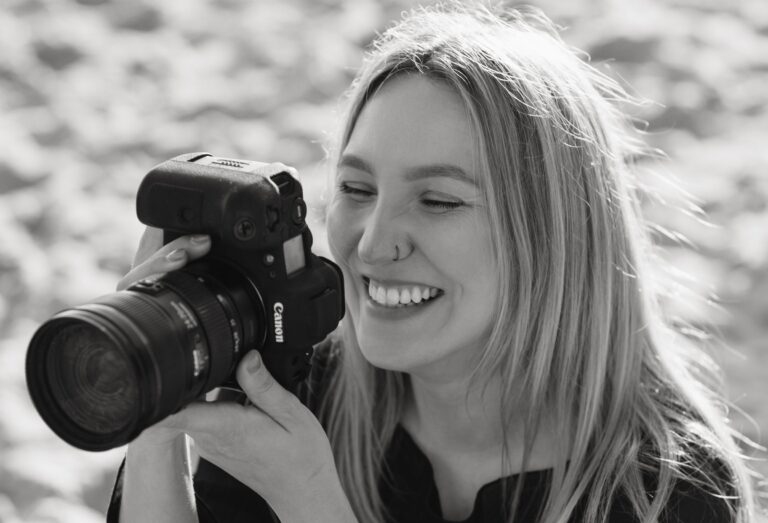
By Tatyana Belova (Tanya Beloved)
Professional photographer, two-time winner of the “Best Photographs of Russia” competition, author of over 2000 family and individual sessions across the USA, Europe, and CIS countries. Featured in Forbes, USA Today, and other major publications.
Website: https://tanyabeloved.com
November 30, 2023
In today’s hyper-digitalized environment, identity is no longer confined to real-life interactions—it is shaped, edited, and interpreted through pixels. Social media profiles, websites, corporate directories, and even dating apps rely heavily on visual presentation, where the portrait often acts as the first handshake, first word, and first impression all at once.
As a portrait photographer with over 2,000 family and personal shoots conducted across the U.S. and Europe, I’ve seen how a single frame can dramatically shift self-perception—and how others perceive us. A carefully crafted portrait does not simply “capture” a person; it frames their story, values, and psychological presence in a fraction of a second. This becomes especially crucial in the online space where we lack access to context, gestures, and voice. What remains is the image—and its emotional message.
The Digital First Impression
Research suggests it takes only 40 milliseconds to form a first impression of a person based on their photograph (Willis & Todorov, 2006). Online, we often don’t get a second chance. Whether you’re an entrepreneur, an artist, or a teacher, your digital portrait becomes a visual identity card—projecting competence, approachability, and even status. People decide if they trust you, admire you, or hire you—often unconsciously—based on the facial expression, pose, and background in your portrait.
Portrait Photography as Identity Curation
The modern professional portrait is no longer a neutral representation. It is a curated expression of the self—intentional, nuanced, and strategic. Lighting, color palette, clothing, and posture are all visual signifiers. A slightly turned head signals openness; a direct gaze may project confidence; soft natural lighting evokes emotional warmth.
Many of my clients come not just for a “nice photo” but for a transformation. They want to feel seen in the way they want to be seen. In this way, photography becomes part of identity formation: not just recording the self, but designing it.
Table: Factors That Influence Digital Identity in Portrait Photography
| Factor | Effect on Online Perception |
| Facial expression | Determines perceived trustworthiness |
| Eye contact | Signals confidence and honesty |
| Lighting and color tone | Influences emotional tone (warmth vs. cold) |
| Background choice | Adds contextual narrative (professional/home) |
| Styling/clothing | Projects role, status, or lifestyle |
Emotional Authenticity in a Filtered World
In an age of filters and AI-generated faces, authenticity becomes the new luxury. Audiences are increasingly skilled at detecting what feels “real.” A portrait that reflects genuine emotion, softness, and personality often outperforms technically perfect but emotionally sterile images. This is where professional photography stands out—not by replacing reality, but by helping reveal it.
Portraits are not simply created—they are co-created. The photographer and subject build a trust-based space where the true self can emerge. That moment of authenticity is what connects most deeply with viewers, especially in digital environments saturated with artificiality.
A Medium of Empowerment
For many clients, especially women and underrepresented professionals, portraiture becomes a form of empowerment. Seeing oneself represented with strength, beauty, and clarity can challenge internal narratives of inadequacy or invisibility. It’s not just about being seen—it’s about reclaiming how you are seen.
Portraits can reinforce digital identity, heal emotional gaps, and become tools of storytelling. The result is not just a better photo—it’s a more integrated presence, online and off.
References
- Willis, J., & Todorov, A. (2006). First Impressions: Making Up Your Mind After a 100-Ms Exposure to a Face. Psychological Science, 17(7), 592–598.
- Beltran, D. (2020). The Power of Visual Storytelling in Personal Branding. Journal of Digital Communication, 18(3), 55–67.
- Gehl, R. W. (2021). Identity in the Age of the Selfie: Visual Culture and the New Politics of Representation. Visual Studies Journal, 36(2), 101–114.
- Sorokowska, A. et al. (2016). Facial Appearance and First Impressions: A Cross-Cultural Study. Personality and Individual Differences, 95, 45–50.

- The Poem Hidden Inside Someone Else’s Page - July 20, 2026
- After 14 Years, We’re Finally Getting a James Bond Game - June 17, 2026
- Serhiy Tokarev on TechNovator’s Victory in Deep Tech Accelerator - June 9, 2026