
Pictures by Davitte Taveras
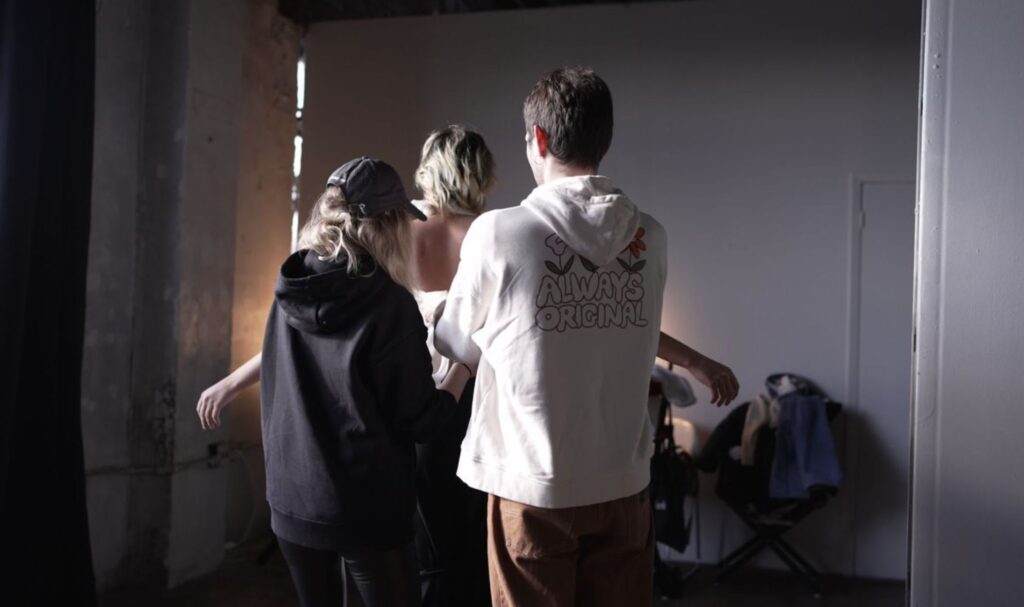
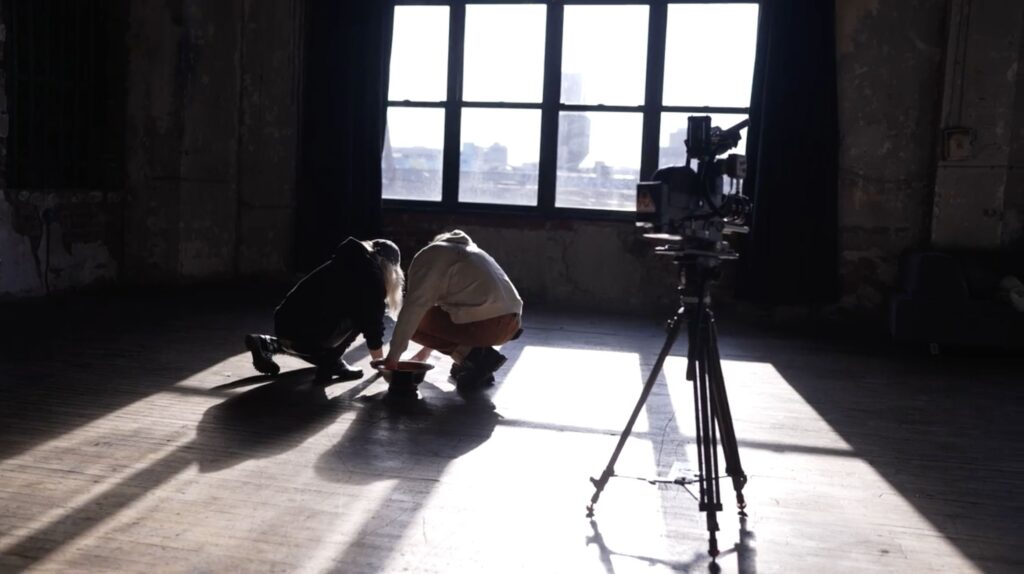
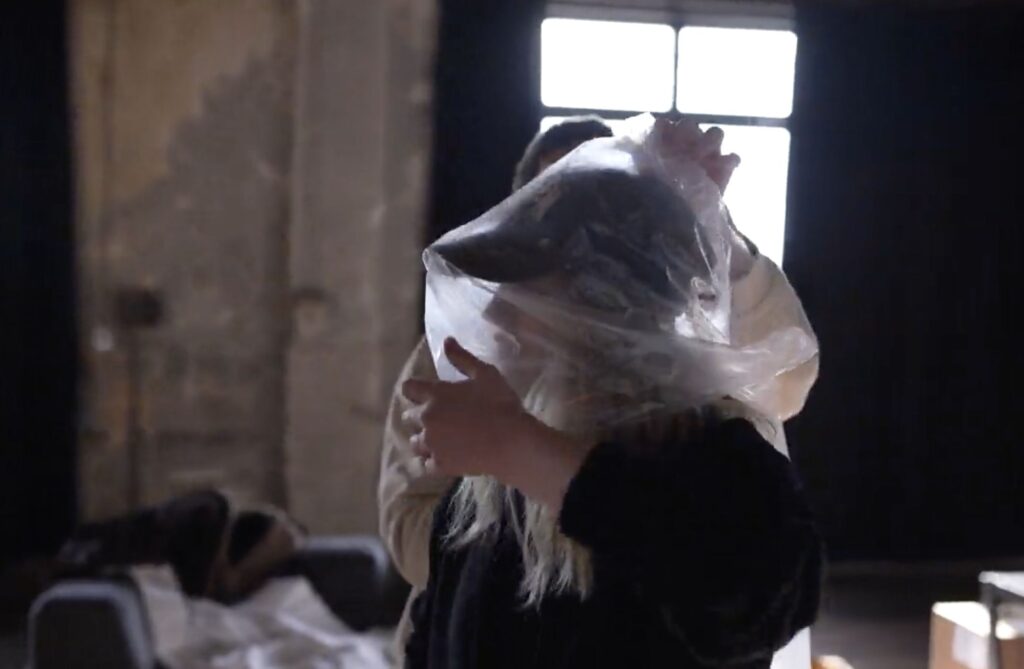
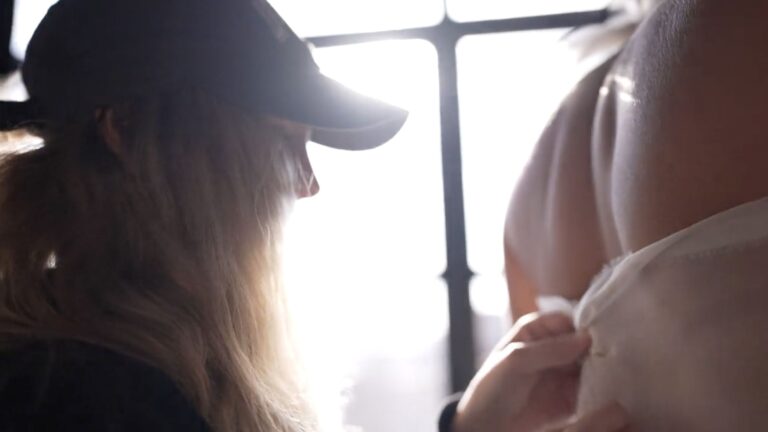
In a time when most stories are told through digital clarity, Soraya Arrabal’s short film Bird (Pajarito) feels like an act of quiet rebellion. Shot on Kodak 16mm film by cinematographer Nico Vallejo, the film stands as a tribute to the tactile, emotional, and unpredictable beauty of analog cinema — a reminder that sometimes, imperfection is what makes an image truly alive.
A Return to Texture and Emotion
Arrabal’s direction reveals a rare sensitivity to mood and image. Known for her ability to blend fashion, movement, and storytelling, she approaches Bird as both filmmaker and visual poet. The decision to shoot on 16mm wasn’t a nostalgic gesture — it was a creative conviction. The flicker of light, the trembling grain, and the organic tones of Kodak film transform each frame into something living, breathing, and deeply human.
But what truly elevates Bird is the synergy between image and sound. The music and visuals are so raw, so powerful, that together they become more than cinema — they form a statement of poetry. Arrabal builds emotion not through dialogue or exposition, but through rhythm and texture. The result is a film that feels less like it’s being watched and more like it’s being felt.
The Power of Slowness
Working with film stock imposes limitations: every roll counts, every take must matter. Yet those very limits create the film’s rhythm — deliberate, intimate, reflective. Arrabal embraces this pace, allowing silence and stillness to hold their own meaning. In Birds, time seems to stretch and contract like breath. It’s a sensory experience that resists the instant gratification of digital culture.
A Revival of Analog Storytelling
Across the independent film landscape, artists are rediscovering the expressive potential of analog formats, and Birds stands proudly among them. The resurgence of 16mm — especially Kodak’s lush, tactile stock — signals a hunger for authenticity, for the physical connection between light and emotion.
Arrabal isn’t rejecting technology; she’s reclaiming feeling. By choosing film, she reintroduces the element of chance — the subtle unpredictability that digital often smooths away. That unpredictability becomes part of the story’s soul.
A Film That Feels Alive
What makes Bird (Pajarito) unforgettable is its honesty. It doesn’t strive for perfection. It strives for truth — the truth found in texture, in movement, in sound, in light. Arrabal’s vision feels personal and immediate, as if she’s handing the audience a fragment of her own memory.
In its raw emotion, Birds transcends short-form boundaries. It’s not just a film to watch; it’s a film to absorb. Every frame whispers, every note resonates, until image and music dissolve into one — a cinematic poem that lingers long after the final fade.
A Modern Classic in the Making
Bird (Pajarito) isn’t just a return to film — it’s a return to feeling. With this work, Soraya Arrabal proves that cinema’s future might depend on rediscovering its past. Through 16mm texture, haunting sound, and uncompromising emotion, she delivers a film that reminds us why the medium still matters.
Because in Birds, film is not just a format — it’s a heartbeat.

- The Poem Hidden Inside Someone Else’s Page - July 20, 2026
- After 14 Years, We’re Finally Getting a James Bond Game - June 17, 2026
- Serhiy Tokarev on TechNovator’s Victory in Deep Tech Accelerator - June 9, 2026