
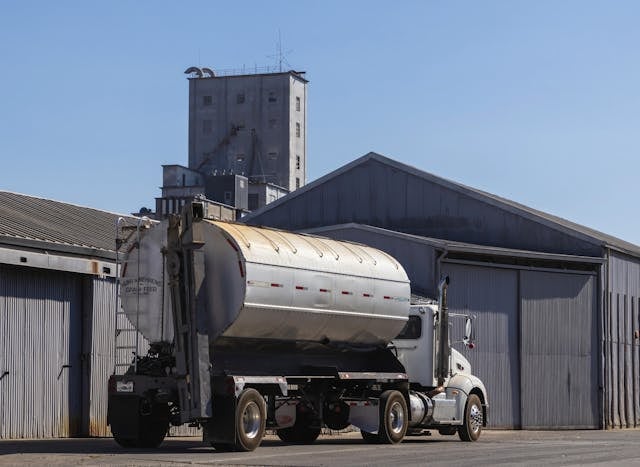
Truck accidents differ significantly from ordinary motor vehicle collisions, not only in the damage they cause but also in how the legal claims must be handled. While a typical car accident may involve two drivers and straightforward insurance negotiations, truck accident claims often unfold as multifaceted legal battles involving federal regulations, multiple liable parties, extensive evidence, and high financial stakes.
Understanding why truck accident claims are more complex can help injured victims and their families better navigate the legal process and recognize why these cases require a deeper level of investigation and preparation.
The Physical Scale of Commercial Trucks and Its Legal Impact
Weight, Size, and Kinetic Force
Commercial trucks can weigh up to 80,000 pounds when fully loaded, making them exponentially more dangerous than passenger vehicles. When a collision occurs, the laws of physics dictate that the smaller vehicle absorbs the majority of the impact. This frequently results in catastrophic injuries, including traumatic brain injuries, spinal cord damage, internal organ injuries, and fatalities.
From a legal standpoint, greater injury severity leads to higher compensation demands. Claims may include lifelong medical treatment, permanent disability, loss of future earning capacity, and substantial non-economic damages. The higher the potential payout, the more aggressively insurance companies defend these claims.
Complex Crash Reconstruction
Truck accidents often require advanced accident reconstruction. Specialists may analyze vehicle damage patterns, skid marks, debris fields, road grade, weather conditions, and braking distances. This technical analysis is rarely necessary in standard car accidents but is often critical in determining fault in truck-related collisions.
Multiple Liable Parties Increase Claim Complexity
Liability Extends Beyond the Driver
Unlike typical car accidents, truck accident claims often involve multiple potentially responsible parties. These may include:
- The truck driver
- The trucking company
- The cargo loader or shipping company
- The truck or component manufacturer
- Third-party maintenance providers
- Freight brokers or logistics companies
Each entity may share a portion of liability and carry separate insurance policies. Determining fault requires a detailed investigation into contracts, employment relationships, and operational responsibilities.
Employer and Corporate Negligence
Truck drivers frequently operate under tight schedules imposed by their employers. When companies encourage or overlook unsafe practices—such as speeding, skipping rest breaks, or ignoring maintenance issues—they may be held directly liable. Claims involving negligent hiring, training, supervision, or vehicle maintenance add legal theories that are not present in most passenger vehicle collisions.
Federal and State Trucking Regulations
Federal Motor Carrier Safety Administration (FMCSA) Rules
The trucking industry is governed by strict federal regulations designed to promote safety. These rules address critical issues such as:
- Hours-of-service limits to prevent driver fatigue
- Mandatory vehicle inspections and maintenance
- Drug and alcohol testing requirements
- Cargo loading and securement standards
- Driver qualification and certification
Violations of these regulations can be powerful evidence in a truck accident claim. However, identifying and proving regulatory violations requires familiarity with federal trucking law, which significantly complicates the legal process.
Overlapping State Laws
In addition to federal regulations, individual states impose their own trucking laws. When a truck crosses state lines, determining which jurisdiction’s laws apply can become a legal issue in itself. These overlapping regulations create additional hurdles not seen in standard auto accident cases.
Commercial Insurance Complications
Larger Policies, Tougher Defense
Commercial trucking companies are required to carry much higher insurance limits than individual drivers. While this increases the potential compensation available to victims, it also means insurers have more money at risk. As a result, trucking insurers employ aggressive defense strategies aimed at reducing or denying claims.
Rapid Response Teams
Many trucking companies deploy rapid response teams immediately after a crash. These teams may include investigators, attorneys, and claims adjusters whose goal is to secure evidence and shape the narrative early. This proactive defense approach can make it difficult for injured victims to access crucial evidence unless action is taken quickly.
Specialized Evidence Unique to Truck Accidents
Electronic Logging Devices and Black Box Data
Most commercial trucks are equipped with electronic logging devices (ELDs) and event data recorders. These systems track information such as speed, braking, throttle position, engine performance, and driver hours. While this data can be critical in proving fault, it is often controlled by the trucking company and can be overwritten if not preserved promptly.
Maintenance and Inspection Records
Mechanical failures play a significant role in many truck accidents. Brake defects, tire blowouts, steering failures, and lighting issues may all contribute to a collision. Investigating these factors requires reviewing maintenance logs, inspection reports, and repair histories, which adds time and complexity to the claim.
Severity of Injuries and Long-Term Damages
Catastrophic and Permanent Injuries
Truck accidents frequently result in injuries that require lifelong care. Calculating damages in these cases involves far more than immediate medical bills. Legal teams may work with medical experts, vocational specialists, and economists to estimate future treatment costs, long-term care needs, and lost lifetime earnings.
Wrongful Death Claims
When a truck accident results in death, surviving family members may pursue wrongful death claims. These cases involve additional legal considerations, such as determining eligible beneficiaries and valuing non-economic losses like companionship and emotional support. The emotional and financial stakes make these claims especially complex.
Legal Strategy and Experience Play a Critical Role
Specialized Legal Knowledge Is Essential
Because truck accident claims involve federal regulations, technical evidence, and corporate defendants, they demand a higher level of legal experience. Many injured individuals seek guidance from a professional truck crash lawyer who understands the trucking industry and the strategies used by commercial insurers.
Evaluating Attorney Backgrounds
When researching legal representation, some people look into an attorney’s credentials, experience, and professional history. Public attorney profiles—such as this overview of Mark Nelson Morris’s legal background—can help individuals better understand a lawyer’s qualifications and areas of practice.
Truck Accident Claims Are More Likely to Go to Trial
Disputes Over Liability and Damages
Because truck accident cases often involve multiple defendants and high-value claims, settlement negotiations can be lengthy and contentious. Disagreements over fault, regulatory violations, and damages frequently push these cases into litigation.
Expert Testimony and Technical Evidence
Truck accident trials often rely heavily on expert witnesses. Accident reconstructionists, medical professionals, mechanical engineers, and economic experts may all play a role in presenting evidence. Coordinating and presenting this testimony adds another layer of complexity not found in most car accident cases.
Broader Public Safety and Industry Accountability
Addressing Systemic Industry Issues
Some truck accident claims reveal systemic problems within the trucking industry, such as unrealistic delivery schedules, inadequate training, or poor maintenance practices. These cases can have broader implications, sometimes leading to changes in company policies or increased regulatory scrutiny.
Understanding Truck Accident Law in Context
For readers seeking a general legal overview, comprehensive resources like this guide to truck accident claims explain common causes, legal principles, and why these cases differ so significantly from ordinary car accidents.
Conclusion: Why Truck Accident Claims Require Greater Legal Precision
Truck accident claims are more complex than other collisions due to the size and weight of commercial vehicles, the involvement of multiple liable parties, strict federal and state regulations, specialized evidence, and the severity of injuries involved. These cases demand thorough investigation, technical expertise, and a strategic legal approach.
Understanding these differences empowers injured individuals and families to better protect their rights and pursue fair compensation. While no legal outcome can undo the harm caused by a serious truck accident, informed decision-making and careful case preparation can make a meaningful difference in achieving justice and financial stability after a devastating event.

- What Makes Truck Accident Claims More Complex Than Other Collisions - February 5, 2026
- Where to Find Trusted Legal Support After a Motorcycle Crash in Fort Lauderdale - December 3, 2025
- How Social Media Can Hurt Your Fort Lauderdale Car Accident Case - November 18, 2025