
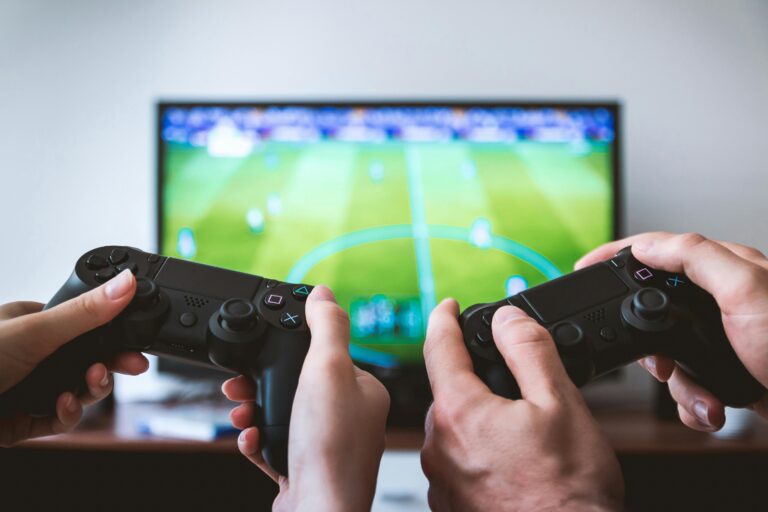
Gaming isn’t just for the teenagers hunkered down in their rooms or college buddies glued to their consoles. Family game time—especially when you bring Grandma, Grandpa, or that beloved uncle into the mix—can turn into pure magic. There’s something really special about seeing a grandparent who’s normally a crossword-only type start giggling over a round of Mario Kart. Or watching your mom try, probably for the first time ever, to figure out what all the fuss over Wordle actually is.
It’s not just about the pixels or high scores. It’s about laughter, connection, and maybe a little friendly competition. If you’re thinking about firing up a game night with your older family members, here’s what actually helps it go from awkward to awesome.
Start Simple, Don’t Overwhelm
The first key is picking the right game. Ditch anything with a hundred buttons or super steep learning curves. Go for classics—digital or analog—that most people already know. Think Bingo, checkers, or a basic round of bowling on the Wii. Even smartphone favorites like Candy Crush, online crossword puzzles, or a simple word scramble can break the ice if someone’s hesitant about all this “gaming.”
If you’re in an assisted living community, ask what they already have on hand. Many communities stock easy-use tablets or have regular domino and card tournaments already going. Sometimes, it’s just a matter of showing up for the fun.
Go Slow and Be Patient (But Don’t Talk Down, Ever)
You know how the first time you played a game, you probably flailed a bit? Give older players the same space to flounder and figure it out. Explain the rules out loud, but not like you’re teaching kindergarten. Maybe even play an open-hand test round where everyone sees each other’s cards and chats it out. Nobody wants to be the one holding up the game, so tell them “Hey, nobody gets this stuff right away.”
Gaming should be giggly and casual. If Grandma keeps calling Sonic “the blue mouse,” go with it and celebrate the silliest wins.
Mix Up Analog and Digital
Don’t discount “real life” games—poker, UNO, Scrabble. If everyone’s comfortable, try adding a simple tablet game or family-friendly console stuff like Jackbox or Wii Sports. Rotate through a mix. One night, board games and cocoa; next week, a Wii tennis match or trivia quiz. Suddenly, Friday nights have some zip.
Set Up (and Capture) Connection Moments
Don’t rush through turns—half the fun is in the banter. Share stories, talk smack in a polite way, and definitely keep snacks in arm’s reach. I have an uncle who runs a running joke about losing every round…and somehow he ropes us all into rooting for him each time.
Take pictures, too. These game nights can become favorite memories, and you’ll want to look back on Grandpa’s victory pose or Aunt June’s priceless “I won?!” face.
Be Inclusive, Be Flexible
Some older adults might need a bigger screen, brighter lighting, or larger playing cards. No sweat—adapt and make it comfortable. If fingers fumble on controllers, let a grandkid “assist” as a team. Playing with somebody with vision or hearing loss? Stick to high-contrast games or ones you can narrate out loud together.
At the end of the day, it doesn’t matter who wins (although bragging rights are forever). What matters is the laughter, the learning, and proving that fun doesn’t have an age limit. So gather around, press start, and let the good times roll—blue mouse and all.

- Roots & Revenue: Starting a Hair Salon From the Ground Up - February 2, 2026
- Britt Lower’s Husband Kenna Kennor Spills Secrets for Rocking New Hair Color Like a Celebrity - January 29, 2026
- The Hidden Stress of EV Tech for Older Drivers - January 5, 2026